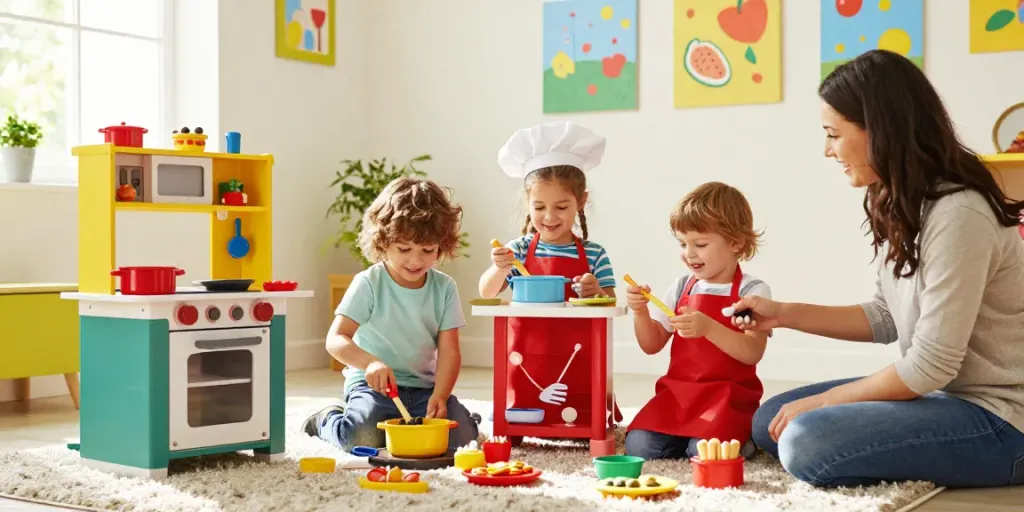
Understanding the Appeal of Play Kitchens
In a world increasingly dominated by screens and technology, play kitchens serve as a beacon of imagination and creativity for children. These delightful toys offer a unique blend of entertainment and education, encouraging young ones to engage in pretend play that mimics real-life activities. When exploring options, play kitchen sets are designed to captivate the minds of children, providing them the tools they need to explore their culinary creativity and social skills.
What is a Play Kitchen?
A play kitchen is a miniature replica of a real kitchen, often designed to encourage imaginative role-play. These toys typically include various features such as stoves, ovens, sinks, and refrigerators that allow children to simulate cooking and food preparation. They come in various sizes, styles, and materials, catering to a wide range of preferences and age groups. The aesthetic appeal of a play kitchen can greatly enhance a child's playtime experience, turning any room into a bustling kitchen filled with delicious aromas and imaginative meals.
Benefits of Play Kitchens for Development
Engaging with a play kitchen provides numerous developmental benefits for children. These include:
- Cognitive Development: Children learn about problem-solving and planning as they ‘prepare’ meals and navigate their kitchen set-up.
- Social Skills: When playing with others, children develop essential skills such as cooperation and communication.
- Motor Skills: Manipulating kitchen tools and accessories helps improve fine motor skills and hand-eye coordination.
- Creativity and Imagination: Pretend play fosters creativity, allowing children to invent new recipes and scenarios.
Choosing the Right Play Kitchen for Your Child
Selecting the right play kitchen involves understanding your child's interests, the available space, and the features that could provide the most value. Key factors to consider include age appropriateness, material (wooden vs. plastic), and specific features that can enhance gameplay, such as interactive elements or realistic sound effects.
Features to Look for in a Play Kitchen
Materials and Durability Considerations
When purchasing a play kitchen, one of the primary considerations should be the materials used. Wooden kitchens tend to offer durability and a classic aesthetic, while plastic options can be lighter and often come in more vibrant colours. Ensure that the materials are non-toxic and safe for children, as they will be handling the kitchen frequently.
Interactive Features to Enhance Play
Today’s play kitchens come equipped with a variety of interactive features that can significantly enhance the play experience. Look for kitchens that include:
- Interactive lights and sounds for appliances
- Removable or movable components, like pots and pans
- Realistic kitchen accessories that encourage imaginative play
- Faucets with running water or sinks for washing up
Size and Space Requirements
Before making a purchase, it's vital to consider the size of the play kitchen in relation to your available space. Play kitchens can vary dramatically in size, from compact models suitable for small areas to large, elaborate setups that can dominate a playroom. Ensure that there is enough room for your child to play comfortably and that the kitchen fits well within your home’s layout.
Creative Uses for Play Kitchens
Encouraging Social Skills Through Role Play
Play kitchens provide an excellent platform for children to develop social skills through role play. By collaborating with friends or siblings in preparing meals, children learn crucial skills like sharing, negotiating, and leadership. These experiences are invaluable in shaping their interpersonal abilities as they grow.
Incorporating Educational Aspects
In addition to pure entertainment, play kitchens can serve educational purposes. Parents can integrate lessons about nutrition, healthy eating habits, and even basic math through cooking measurements and ingredient counting. This seamless blend of play and education makes a play kitchen an essential tool for early learning.
Seasonal Themes and Activities
Seasonal themes can further enhance the play kitchen experience. For example, during the holidays, children can engage in festive cooking activities that allow them to create seasonal treats, explore new recipes, and even host pretend family dinners. This dynamic form of play can make learning about cultural traditions both engaging and educational.
Popular Brands and Styles of Play Kitchens
Comparative Review of Top Brands in 2026
As of 2026, several brands have emerged as leaders in the play kitchen market, each offering unique benefits. Brands such as KidKraft, Step2, and Melissa & Doug are known for their high-quality, durable products. KidKraft kitchens often feature intricate designs and additional accessories, while Step2 focuses on interactive play features, appealing to a wide range of children’s preferences.
Wooden vs. Plastic Play Kitchens
When choosing between wooden and plastic play kitchens, consider the benefits of each material:
- Wooden Play Kitchens: Often perceived as more durable and aesthetically pleasing, wooden kitchens can withstand rough play and have a timeless charm. They usually come with a higher price tag but offer long-term value.
- Plastic Play Kitchens: Lighter and often more affordable, these kitchens come in various shapes and sizes, making them a versatile choice for many households. They can be easier to clean and maintain, adding to their appeal.
Trendy Designs to Inspire Imagination
In recent years, play kitchen designs have become more intricate and stylish, allowing for a broader spectrum of imaginative play. From modern minimalist designs to vintage-inspired kitchens, you can find options that fit any décor style. Some also incorporate bright colours and playful designs that can brighten a child’s play area.
FAQs About Play Kitchens
What age should a kid get a play kitchen?
Most experts recommend introducing a play kitchen to children around the ages of 2 to 3 years, as they begin to engage in imaginative play. However, older children can also enjoy these kitchens by integrating more complex play scenarios.
How much does a play kitchen cost?
Prices for play kitchens can vary significantly based on size, material, and brand. You can find simple models starting at £50, while high-end, feature-rich kitchens can range up to £300 or more.
Is it worth getting a play kitchen?
Absolutely! A play kitchen provides not only entertainment but also invaluable learning and developmental opportunities. It encourages creative thinking, social interaction, and understanding of everyday life tasks.
Which play kitchen is the best?
The best play kitchen ultimately depends on your child's preferences and your budget. Look for reputable brands that offer durable materials and features that will engage your child’s interest for years to come.
What accessories enhance play kitchen experiences?
Accessories like play food, cooking utensils, and cleaning supplies can greatly enhance the play experience. Opt for a variety of props to inspire your child's creativity and make their kitchen experience even more immersive.